
Concord, North Carolina · Interiors
Interior Design in Concord.
Creating interiors that feel personal, functional, and enduring in a Concord home.
The overview
A closer look.
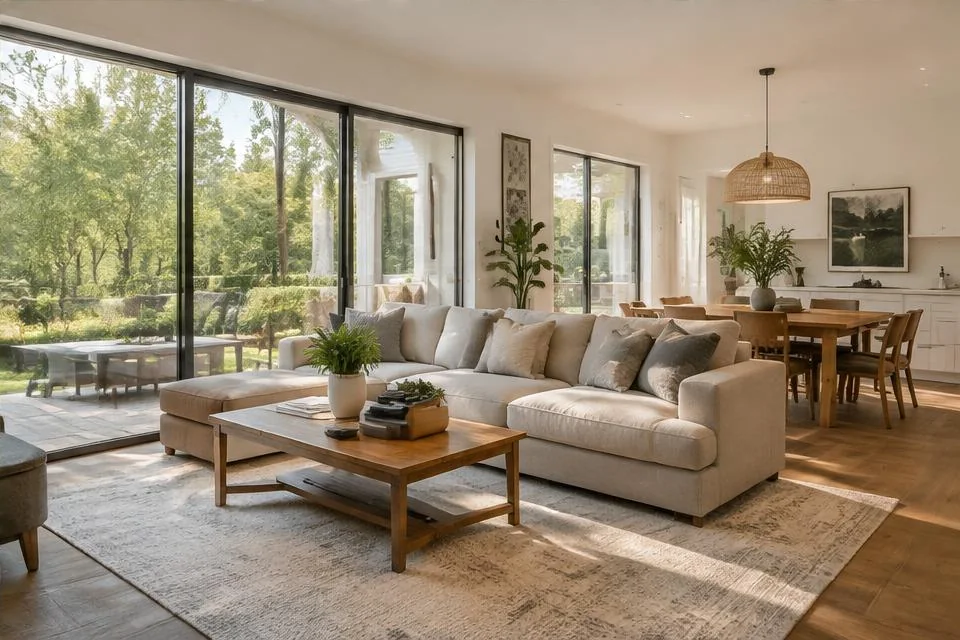
A considered interior makes room for the way a household actually lives. It is more than selecting finishes at the end of a project.
Start with how rooms are used
A plan should reflect daily rituals, guests, storage, light, and the transitions between spaces. The strongest material decisions follow that plan.
Respect the architecture
Whether a home is historic or newly built, scale, texture, and a restrained palette can create continuity without erasing its character.
Bring the designer in early
Early coordination on millwork, lighting, electrical layouts, and furniture dimensions can avoid compromises later.
Define scope and budget first
Decide whether you need full design, furnishing only, or selections support during construction. Clear scope helps compare designers’ fees and approaches.
Lighting and layout before finishes
Furniture plans determine outlet, lighting and switch locations. Settling layout early prevents costly electrical changes later.
Plan for lead times
Custom furnishings, lighting and stone can take many weeks. Order sequencing matters as much as selections.
Measure the home before choosing the pieces
Record door openings, stair turns, ceiling heights and the paths used for delivery. In an older Concord home, an attractive room can still have awkward circulation or limited electrical capacity. In a new build, compare the actual construction drawings with furniture dimensions before moving outlets or ordering cabinetry. Ask the designer to show usable clearances, not just a styled image, and have qualified trades evaluate any structural or electrical changes.
Compare proposals on the same scope
Separate design fees, purchasing arrangements, installation, freight, storage and construction costs in writing. Identify who approves substitutions and what happens when an item arrives damaged or is discontinued. Request finish samples in the home’s daylight and evening light; a showroom photograph cannot establish how a material will look in the room. Keep an approved selections record so the builder, designer and homeowner are working from the same decisions.
Checklist
Before you decide.
- Written scope and fee structure
- Furniture plan before electrical rough-in
- Lead times tracked
- Maintenance needs of finishes understood
Common questions
- When should a designer join a new build?
- Ideally during design development, before electrical and cabinetry plans are final.
Where to go next
Help with this step.
The firms below are owned by this guide’s publishers, Nicholas and Miriam Peters. They are not independent recommendations; verify fit and service area directly.
Keep exploring
 DesignConcord Architecture
 CraftCustom Homes in Concord
 TechnologySmart Homes in Concord